Your PF, explained: when and how you can take it out
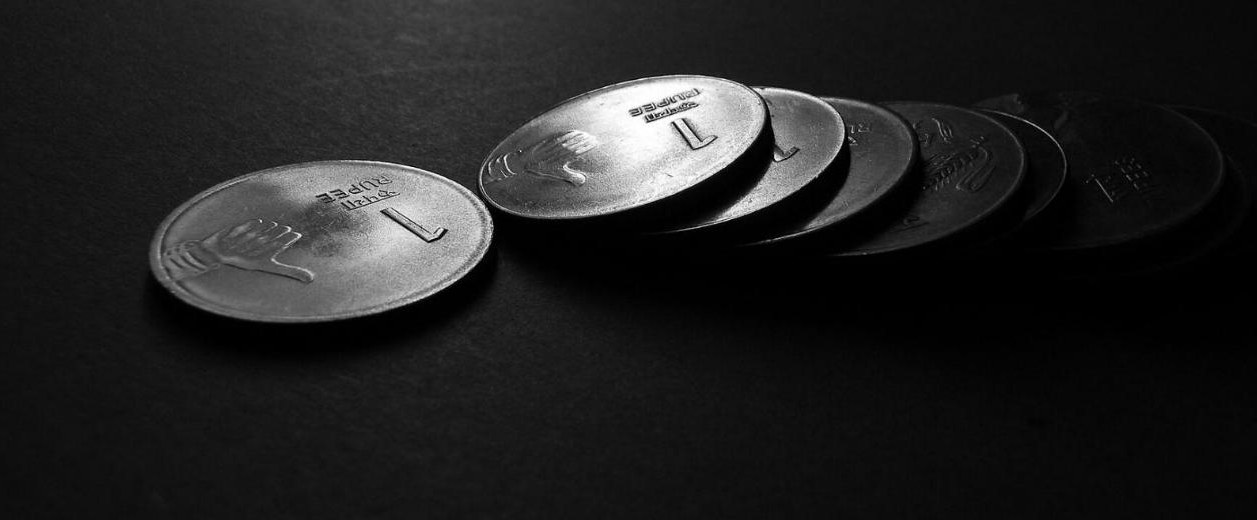
Think of your Provident Fund as a big steel dabba on the top shelf. Every month you and your employer drop something into it, and it quietly grows. The trouble starts on the day you actually need it: how much can you take out, when, and will the taxman want a share?
The rules have been rewritten twice in about a year, and on Thursday, 19 November, the EPFO's Central Board of Trustees approved another round of changes. Here is where things stand.
The big one: retirement
The cleanest case is retirement. Under the new EPF Scheme, 2026, which the labour ministry notified on 29 June, you can withdraw your full PF balance from the age of 55. Full withdrawal is also allowed in some other cases, such as permanent incapacity or moving abroad for good.
Your pension account (EPS) works differently. If you have less than 10 years of service, you can take a lump-sum "withdrawal benefit". With 10 years or more, you get a monthly pension from 58 instead.
Dipping in before retirement
You do not have to wait till 55. In October 2025, the board merged 13 separate reasons for partial withdrawal into three buckets: essential needs (illness, education, marriage), housing needs, and special circumstances. The new scheme put these into force from 29 June 2026.
You need just 12 months of service for any of them. Education withdrawals are allowed up to 10 times over your working life and marriage up to five times. Housing, for buying, building or repairing a home or repaying a home loan, is also allowed up to five times. Under "special circumstances" you do not even have to give a reason, but you can use it only twice a year.
There is one catch. You can withdraw up to 100% of your "eligible" balance, but a minimum balance of 25% must always stay in the account (the labour ministry describes it as 25% of the contributions in your account). In a simple example on a ₹8 lakh balance, ₹2 lakh stays put and ₹6 lakh is available. The idea is that the locked part keeps earning interest, 8.25% a year for 2025-26.
If you lose your job
Losing a job is where the rules have changed most. Under the June 2026 scheme, you can use the special-circumstances route to reach the withdrawable part of your balance, but, outside a few listed cases, to close the account fully you have to be out of work for 12 months in a row. Earlier, the wait was two months.
On 19 November, the board voted to cut the waiting period for final PF withdrawal from 12 months to two. The official release does not spell out which wait this is, but the 12-month figure matches this job-loss rule.
What the board approved on 19 November
Three changes matter most. First, a voluntary Systematic Withdrawal Plan: retiring members can take their PF as monthly, quarterly or half-yearly payouts instead of one lump sum, while the rest keeps earning. The labour ministry expects about 6.32 lakh members above 55 with balances over ₹5 lakh to benefit at first.
Second, the money that must stay in your account drops from 25% to 10%. Third, the waiting period for final withdrawal falls from 12 months to two. If a member dies while getting instalments, nominees can take the rest at once or continue the payouts.
Important: none of this applies yet. The EPF Scheme has to be amended and notified after ministry approval, and a matching income-tax change is being taken up with the finance ministry. Until then, the 25% and 12-month rules stand.
The five-year tax rule
Tax depends on how long you have worked. Withdraw before five years of continuous service and the money can be taxed. EPFO then deducts TDS at 10% if the amount is ₹50,000 or more and your PAN is on record, and at a higher rate without PAN. There are exceptions, including some health-related cases, and moving your PF to a new employer does not count as a withdrawal.
Since 1 April 2026, when the new Income-tax Act, 2025 took effect, the old Forms 15G and 15H have been replaced by a single Form 121. If your total income for the year is not taxable, you can file it to ask EPFO not to deduct TDS. It stops the deduction; it does not make a taxable withdrawal tax-free.
How to claim online
Most claims can now be filed online without your employer's signature. First, activate your UAN with Aadhaar OTP. Your Aadhaar, bank account with IFSC and, for final claims with under five years' service, your PAN must be linked to it.
Then log in and pick the right form: Form 31 for a partial withdrawal, Form 19 for final settlement and Form 10-C for the pension withdrawal benefit. Confirm with the OTP sent to your Aadhaar-linked mobile. EPFO says it now settles claims in an average of 2.57 days, down from 11.15 days, with 71% processed automatically.
So what?
Your PF is often the biggest pot of money you will ever build. The new rules make it easier to reach in a pinch, and the proposed instalment plan could turn it into something like a monthly salary after you retire. But every withdrawal today is interest you lose for decades. Use it for emergencies, not for a new phone.
Did you know? Partial withdrawals used to come under 13 separate rules. Now there are just three categories.
- 240th CBT meeting, 19 Nov 2026: Systematic Withdrawal Plan (monthly/quarterly/half-yearly, voluntary), ~6.32 lakh members above 55 with over ₹5 lakh, minimum balance 25% to 10% (of contributions), waiting period for final PF withdrawal 12 to 2 months, nominee options, notification after ministry approval, Income Tax Act amendment with finance ministry, CITES 2.0 figures (71%, 2.57 days, 11.15 days): PIB / Ministry of Labour and Employment, 19 Nov 2026, 4:59 pm
- 240th CBT meeting on 19 Nov 2026: Systematic Withdrawal Plan, 6.32 lakh members above 55 with over ₹5 lakh, minimum balance 25% to 10%, final withdrawal wait 12 to 2 months, nominee options, notification after ministry approval, income-tax amendment with finance ministry, CITES 2.0 figures (71%, 2.57 days, 11.15 days): ThePrint, 19 Nov 2026
- Same decisions; changes take effect only after scheme amendment and notification: The Federal, 19 Nov 2026
- October 2025 reform: 13 provisions merged into three categories, 12 months' service, up to 100% of eligible balance, education 10 times, marriage 5 times, 25% minimum balance, 8.25% rate, special circumstances without reason, premature final settlement 2 to 12 months: PIB / Ministry of Labour and Employment, 13 Oct 2025
- EPF Scheme, 2026 notified 29 June 2026: full withdrawal at 55, partial withdrawal frequencies (housing 5, special circumstances twice a year), 25% floor with ₹8 lakh example, 12 months' continuous unemployment for full closure, EPS withdrawal benefit under 10 years: BasuNivesh, 15 Jul 2026
- New partial-withdrawal provisions effective 29 June; housing purposes: Morung Express (IANS), 2 Jul 2026
- TDS under Section 392(7) of Income-tax Act 2025 from 1 Apr 2026: none up to ₹50,000, 10% with PAN, higher without, before 5 years' continuous service; exceptions including health and transfers: TDSMAN, 29 Apr 2026
- Form 121 replaces Forms 15G and 15H for EPF from tax year 2026-27; nil-tax declaration: Free Press Journal, 30 Jul 2026
- Form 121 does not make a withdrawal tax-free; TDS 10% above ₹50,000: Business Today, 11 Oct 2026
- Online claims: UAN activation with Aadhaar OTP, seeded Aadhaar, bank/IFSC and PAN, Forms 31, 19 and 10-C, no employer attestation: Upstox, 24 Aug 2026
- Form 121 has replaced Forms 15G and 15H (section 393(6), Income-tax Act 2025; Rule 211); covers PF withdrawals: Income Tax Department, Form 121 FAQs
- EPF TDS under section 392(7), Income-tax Act 2025; no TDS below ₹50,000; five-year rule and exceptions (ill-health, closure of business, transfers): Juris Hour
Spotted a mistake or have an idea for a read? Write to [email protected].
