Oil slips for a third straight week as Gulf tankers start moving again
Crude shipments through the Strait of Hormuz are back near pre-war levels, traders say, and the rupee just had its best day in weeks. The tanker attacks, though, haven't stopped.

Here's a headline you may not have expected during a Gulf war: oil prices are heading for a third straight weekly fall. On Friday afternoon in Europe, Brent crude, the global benchmark, was at about $91.31 a barrel, down 0.7% on the day and nearly 5% lower for the week, Reuters reported. US crude was down too, at $82.85.
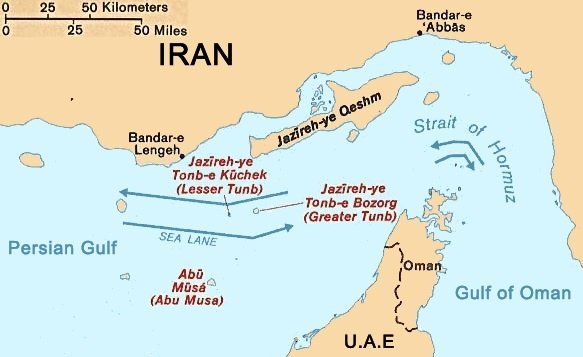
The reason is fairly simple. More oil is getting out of the Gulf, not less. According to Reuters, shipments through the Strait of Hormuz, the narrow sea lane off Iran and Oman that carried about a fifth of the world's oil before the war, are back to roughly pre-war levels. That has traders talking about a possible glut. "This week we keep having relatively strong export flows out of the Middle East," Aldo Spanjer, a commodity strategist at BNP Paribas, told the agency.
US Treasury Secretary Scott Bessent backed up that picture on Friday. In a CNBC interview, reported by Arab News, he said the previous night had seen the biggest volume of crude pass through the strait since the conflict began in February. He also made it clear that Washington would keep squeezing Iran's economy, whose own oil exports have stopped, saying "the world can live without Iranian crude."
So is the danger over? Not quite. Reuters notes that Houthi missiles fired at Riyadh and reports of two tankers hitting naval mines in Hormuz have kept a risk premium in prices. Analysts at UOB Group count roughly one Iranian attack on a tanker a day this month. Part of the slide isn't about supply at all, either: Asian shares were heading for their worst week since 2020, and Saxo analysts pointed to demand worries linked to an unwinding AI trade.
For Indians, the most visible knock-on effect this week has been the rupee. It closed at 92.62 against the US dollar on Friday, up 70 paise, PTI reported. That's its fifth straight gain and its first close stronger than 93 since April. Dealers credited heavy foreign investment flows and softer crude, and PTI noted that lower oil and commodity prices may ease India's import bill.
There's a human side to the Hormuz story that India is watching closely too. At Friday's briefing, External Affairs Ministry spokesperson Randhir Jaiswal said India condemns attacks on commercial shipping, some of which have killed or injured Indian seafarers, and called for freedom of navigation to be restored under international law, IANS reported. He noted India has the world's second-largest seafaring community. On the LPG tanker MT Tara Gas, attacked on 16 November, 21 of the 24 Indians aboard were taken ashore, two were in hospital and one is still missing.
What happens next? The big date is 29 November, when OPEC+ ministers meet to decide their production policy for 2027, according to Reuters. Meanwhile, the International Energy Agency has warned that the longer the crisis lasts, the deeper its effects will be. Whether this week's calmer prices hold depends largely on whether those tankers keep moving safely.
Get the day's best stories on WhatsApp. Free, a few a day, no spam.
Follow on WhatsAppSource ledger · स्रोत खाता
Each fact in this story, where it came from, and how it was checked.
| Fact | Source | Check |
|---|---|---|
| Brent at $91.31 (-0.7%), US crude at $82.85 at 14:14 GMT Friday; Brent nearly 5% down on the week; third straight weekly decline | Reuters via MarineLink | Single source |
| Third straight weekly decline, Brent on track for about 5% weekly drop, Hormuz shipments roughly pre-war (same Reuters copy, Indian publisher) | Business Standard (Reuters) | Single source |
| Hormuz crude shipments back to roughly pre-war levels; supply surplus expectations | Reuters via MarineLink; Arab News | Single source |
| Hormuz carried about one-fifth of world oil before the war; conflict began in February | Arab News (Bessent story); Arab News/AFP (IEA story) | Single source |
| Bessent: biggest crude flow through Hormuz since conflict began; US will keep squeezing Iran; Iran's oil exports halted | Arab News (citing CNBC interview) | Single source |
| Houthi missiles at Riyadh, two tankers reportedly hit mines, UOB ~one attack per day in November, Asian shares worst week since 2020, Saxo AI-trade demand worries, OPEC+ meets 29 Nov | Reuters via MarineLink (also carried by RTE) | Single source |
| OPEC+ meeting 29 November; UOB one attack per day (cross-check) | RTE (Reuters) | Single source |
| Rupee closed at 92.62/USD, up 70 paise, fifth straight gain, first close above 93 since April; FII inflows and weak crude; lower crude may ease import bill | PTI via ThePrint | Single source |
| MEA (Jaiswal) condemns attacks on shipping that killed/injured Indian seafarers, calls for freedom of navigation; India second-largest seafaring community; MT Tara Gas 24 Indians, 21 ashore, 2 hospitalised, 1 missing | IANS | Single source |
| IEA: the longer the crisis lasts, the deeper the effects | Arab News (AFP) | Single source |
Corrections to this story: none.