Japan's economy unexpectedly slips backwards as shoppers tighten their belts
The world's fourth-largest economy shrank slightly in July-September, missing forecasts. The IMF expects India to overtake it in size in 2027.
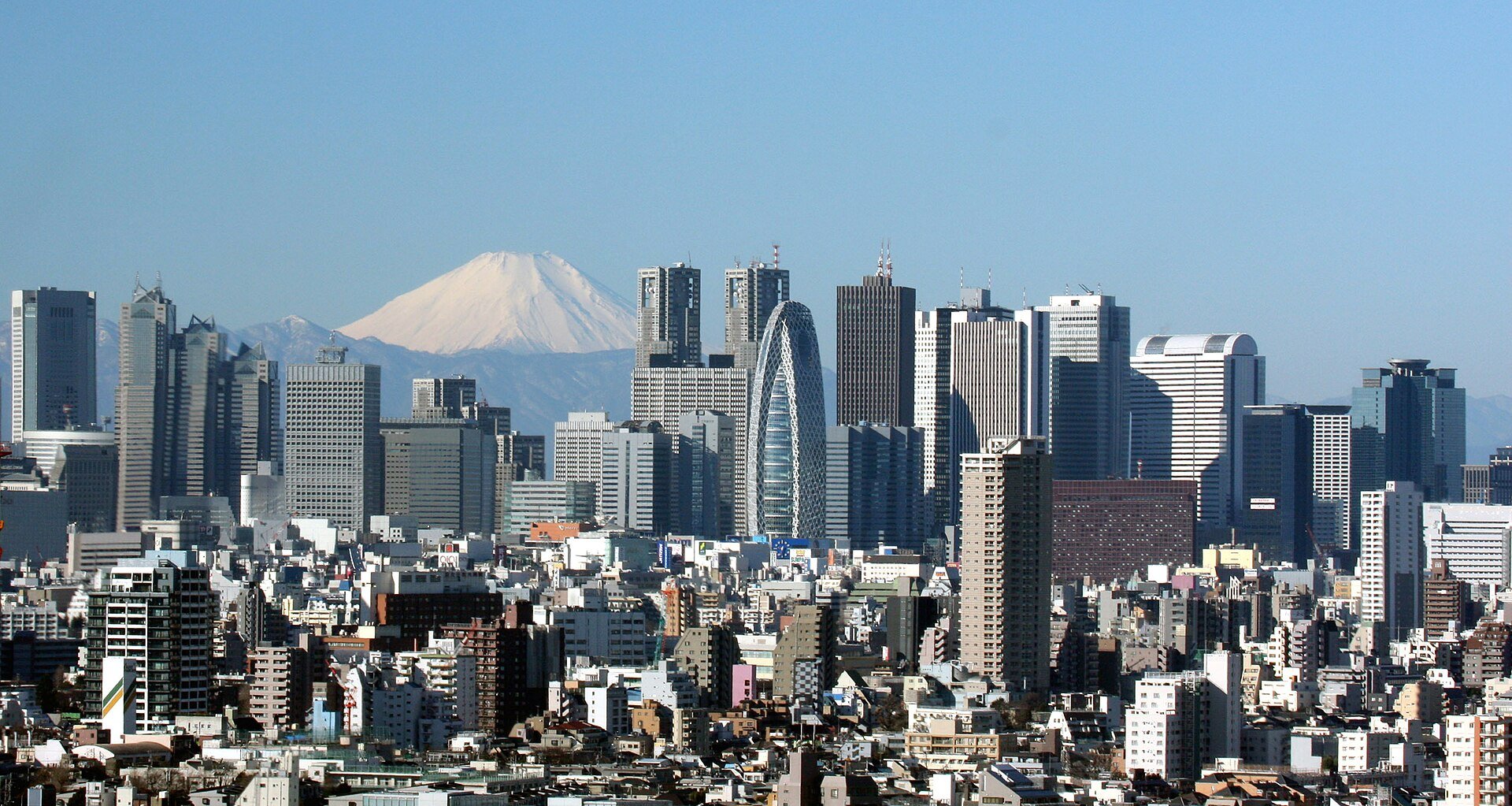

Japan, long a byword for economic heft, has just taken a small step backwards, and the timing is interesting for India. Data released on Monday morning in Tokyo showed the Japanese economy shrank at an annualised rate of 0.1% in the July-September quarter, Reuters reported. Economists in a Reuters poll had expected it to grow 0.3%.
"Annualised" just means the quarter's change is scaled up to show what a full year at that pace would look like. Measured quarter on quarter, output was basically flat: Reuters put it at a fall of 0.02%, which the markets site investingLive rounded to 0.0%. Either way, it fell short of the small rise forecasters had pencilled in.
The biggest drag came from ordinary households. Private consumption, which makes up more than half of Japan's output, fell 0.3%, slightly worse than the 0.2% dip that was expected, both reports said. According to Reuters, persistent price pressures and high living costs held back spending, and heavy rain and typhoons didn't help. Demand for cars and air conditioners also cooled after a temporary boost in the previous quarter linked to tax and regulatory changes.
Trade was the other weak spot. Net external demand, which is exports minus imports, knocked 0.6 percentage points off growth, more than the 0.4 points economists expected. Reuters said imports rose sharply as Japan's energy purchases recovered after it diversified its supplies following disruptions linked to the Middle East war.
It wasn't all gloomy. Business investment grew 1.6%, a touch better than forecast, and domestic demand as a whole still added to growth, investingLive noted. Reuters also said the previous quarter's growth had been revised to an annualised 1.7%, so the economy is coming off a decent spell.
Why should an Indian reader care? Start with size. Japan is currently the world's fourth-largest economy, and the International Monetary Fund projects it will slip to sixth in nominal dollar terms in 2027, overtaken by India and Britain, according to Reuters. Every soft quarter in Tokyo makes that crossover look a little more certain.
Then there's money. The Bank of Japan has raised interest rates twice this year, in June and September, Reuters reported, as a weak yen and high energy costs pushed up inflation. investingLive said markets widely expect another hike in December, and that the yen was trading near 160 to the US dollar. When Japanese rates rise, global investors who borrowed cheaply in yen sometimes pull money back home, which can ripple into emerging markets, India included. Reuters said, though, that policymakers are unlikely to read one weak quarter as a brake on Japan's moderate recovery, which has been supported by corporate activity, rising real wages and technology investment.
What next? A revised GDP estimate is due next month, and the Bank of Japan's December meeting will show whether one soft quarter has changed its thinking. For India, the scoreboard to watch is the IMF's next update on where the big economies rank.
Get the day's best stories on WhatsApp. Free, a few a day, no spam.
Follow on WhatsAppSource ledger · स्रोत खाता
Each fact in this story, where it came from, and how it was checked.
| Fact | Source | Check |
|---|---|---|
| Japan's GDP shrank an annualised 0.1% in July-September vs forecast +0.3% | Free Malaysia Today (Reuters copy) | Confirmed, independent outlets |
| Quarter-on-quarter output roughly flat (-0.02% per Reuters, 0.0% per investingLive) vs +0.1% expected | Free Malaysia Today (Reuters copy) | Confirmed, independent outlets |
| Private consumption fell 0.3% vs expected -0.2%; it makes up over half of output | Free Malaysia Today (Reuters copy) | Confirmed, independent outlets |
| Net external demand subtracted 0.6 points vs 0.4 expected | Free Malaysia Today (Reuters copy) | Confirmed, independent outlets |
| Capital spending rose 1.6% vs 1.5% forecast | Free Malaysia Today (Reuters copy) | Confirmed, independent outlets |
| Reasons: price pressures and living costs, heavy rain and typhoons, payback in car/air-conditioner demand, energy imports rising after supply diversification linked to Middle East war | Free Malaysia Today (Reuters copy) | Single source |
| Previous quarter revised to 1.7% annualised growth | Free Malaysia Today (Reuters copy) | Single source |
| IMF projects Japan will fall to sixth-largest economy in nominal dollar terms in 2027, overtaken by India and Britain; currently fourth | Free Malaysia Today (Reuters copy) | Single source |
| BoJ raised rates in June and September | Free Malaysia Today (Reuters copy) | Single source |
| Markets widely expect a BoJ hike in December; yen near 160 per dollar; revised GDP estimate due next month | investingLive | Single source |
| Policymakers unlikely to see weakness as a brake on moderate recovery | Free Malaysia Today (Reuters copy) | Single source |
Corrections to this story: none.