India votes no as 133 countries back a UN call to pause executions
A Mexico-led resolution asking countries to halt the death penalty passed comfortably at the UN. India voted against it, saying there's no global consensus on capital punishment.
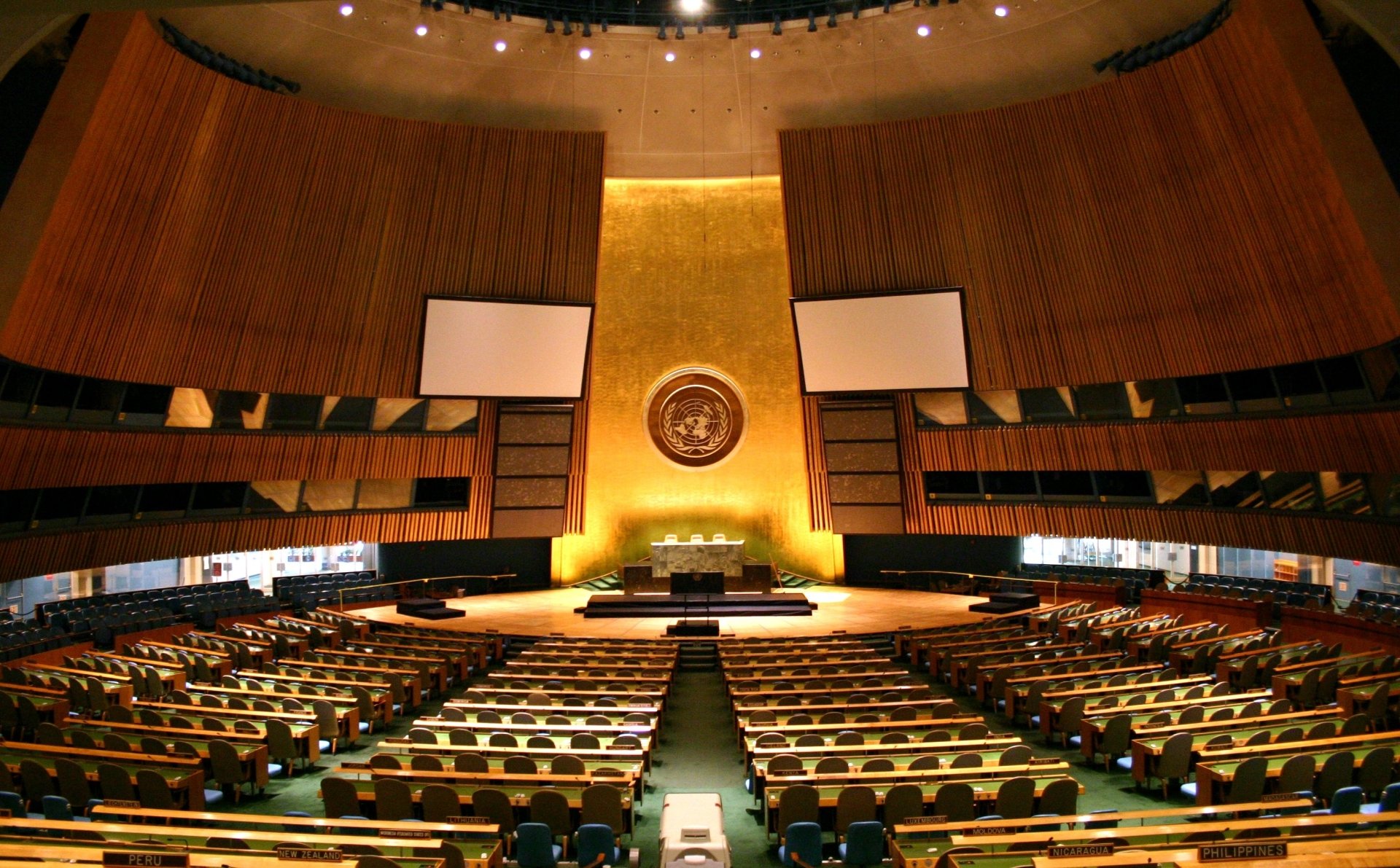

Should the world stop executing people? On Friday, 133 countries at the United Nations said yes. India was among the 33 that said no, and it voted alongside countries including the United States, China, Pakistan, Japan, Iran and several Gulf states, PTI reported.
The resolution, introduced by Mexico and titled "Moratorium on the use of the death penalty", was adopted by a recorded vote of 133 in favour, 33 against and 16 abstentions, PTI reported. A moratorium is a pause. The text asks countries that still carry out executions to stop, with a view to eventually abolishing the death penalty. It also asks countries that have already scrapped capital punishment not to bring it back.
The resolution goes further than a simple pause, according to PTI. It expresses deep concern about the continued use of the death penalty, notes a significant rise in reported executions in 2025, and urges countries never to execute people who were under 18 when they committed a crime, or whose age is uncertain. It also asks governments to limit the penalty for pregnant women, people with mental or intellectual disabilities and older people, to cut down the number of crimes that carry it, and to end mandatory death sentences. At the same time, it acknowledges that every country has the right to set its own legal system and punishments within international law.
India explained its vote at the UN General Assembly's Third Committee, which handles human rights, ANI reported. "There is no international consensus against capital punishment," said Bhavika Mangalanandan, First Secretary at India's Permanent Mission to the UN. She pointed out that Article 6 of the International Covenant on Civil and Political Rights (ICCPR), a key UN human rights treaty, allows the death penalty with restrictions. ANI said India's vote was consistent with its stand in earlier sessions, including 2016, 2018 and 2024.
Mangalanandan also took aim at a separate resolution on extrajudicial, summary or arbitrary executions, meaning killings carried out outside the legal process. India backed that resolution, calling such killings unlawful and a clear violation of human rights, ANI reported. But it distanced itself from one paragraph, which pointed countries to a UN Special Rapporteur report asserting that the death penalty inherently constitutes torture or ill-treatment. She argued that in India the death penalty is used only in the "rarest of rare" cases, with several layers of safeguards, including the presumption of innocence and mandatory confirmation of a death sentence by a higher court. Discussing capital punishment under a report on extrajudicial executions, she said, was "disingenuous and mischievous".
India wasn't alone in pushing back. ANI reported that the US delegation also voted no and said it would step back from most Third Committee resolutions, as it had last year. France, on the other side, welcomed the result as an important step towards abolishing the death penalty everywhere.
So what changes for India? On paper, very little. India's position has not changed from earlier sessions, and the resolution itself acknowledges each country's right to set its own legal system and penalties within international law.
One thing to note: PTI described the vote as a General Assembly adoption, but ANI placed it in the Assembly's Third Committee, and the document number it cited, A/C.3/81/L.43, is a Third Committee draft. At the committee stage, a text normally goes to the full Assembly for a final vote later in the session.
Get the day's best stories on WhatsApp. Free, a few a day, no spam.
Follow on WhatsAppSource ledger · स्रोत खाता
Each fact in this story, where it came from, and how it was checked.
| Fact | Source | Check |
|---|---|---|
| Resolution 'Moratorium on the use of the death penalty' introduced by Mexico | Business Standard (PTI) | Single source |
| Adopted by recorded vote 133 in favour, 33 against, 16 abstentions, on Friday | Business Standard (PTI) | Single source |
| Against included India, Bahrain, China, Egypt, Iran, Iraq, Japan, Kuwait, Maldives, Oman, Pakistan, Qatar, Saudi Arabia, US | Business Standard (PTI) | Single source |
| India and US voted against | Business Standard (PTI) | Confirmed, independent outlets |
| Text: deep concern about continued use; calls for moratorium with a view to abolition; asks abolitionist states not to reintroduce; notes significant rise in executions in 2025; no executions for under-18s or uncertain age; limits for pregnant women, people with mental/intellectual disabilities, older persons; fewer capital offences; end mandatory death sentences; affirms states' right to set own legal systems | Business Standard (PTI) | Single source |
| India's explanation given at Third Committee (43rd meeting, 81st session) on draft A/C.3/81/L.43 by Bhavika Mangalanandan, First Secretary, Permanent Mission of India | Asianet Newsable (ANI) | Single source |
| India cited ICCPR Article 6 permitting death penalty with restrictions | Asianet Newsable (ANI) | Single source |
| India's vote consistent with 2016, 2018 and 2024 | Asianet Newsable (ANI) | Single source |
| India supported extrajudicial executions resolution (L.37) but disassociated from operational paragraph 6; 'rarest of rare'; safeguards incl. presumption of innocence and mandatory higher-court confirmation; called linkage 'disingenuous and mischievous' | Asianet Newsable (ANI) | Single source |
| US voted no and said it would disengage from most Third Committee resolutions as last year; France welcomed adoption as step towards universal abolition | Asianet Newsable (ANI) | Single source |
Corrections to this story: none.