India and 9 other nations sign a declaration to guard the chips and networks behind AI
The San Francisco Declaration, signed under the US-led Pax Silica initiative, treats the AI supply chain as a security issue. Here's what India and nine other countries have agreed to.
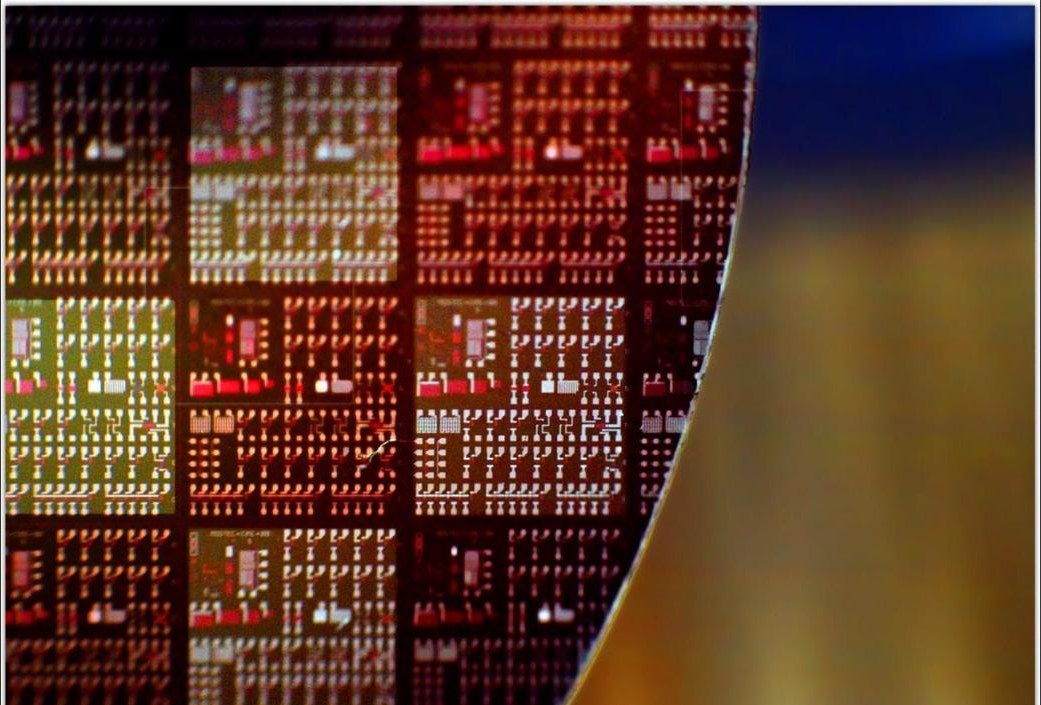

Every time you ask a chatbot a question or your phone sorts your photos, a long chain of chips, minerals, data centres and power lines is working in the background. India has now signed on to a new 10-country declaration meant to keep that AI supply chain safe: the San Francisco Declaration, agreed on Sunday under the US-led Pax Silica initiative.
The declaration was signed on 15 November at a Pax Silica "Founders Retreat", according to the US State Department, which published the text. Alongside India and the US, the signatories are Australia, Israel, Japan, South Korea, Qatar, Singapore, the UAE and the UK. PTI, reporting via Business Standard, and All India Radio said the meeting was convened by Jacob Helberg, the US Under Secretary of State for Economic Affairs.
So what is Pax Silica? The US announced it in December last year to secure supply chains for silicon and the other minerals needed to make semiconductors, and by extension AI, both PTI and All India Radio reported. India came on board in February during the AI Impact Summit in New Delhi, Outlook Business reported at the time, quoting IT minister Ashwini Vaishnaw: "The world trusts India."
The new declaration goes a step further. Its opening idea is that "economic security is fundamental to national security", meaning that who controls chips and the plants that make them is now treated as a security question, not just a business one.
In plain terms, the 10 countries have agreed on a shared list of what counts as worth protecting. One bucket is "sensitive technologies": the goods, software, materials, know-how and production equipment that the AI supply chain depends on. The other is "critical infrastructure", such as ports, logistics, telecom and IT networks, energy systems and the digital platforms that tie them together.
They've also promised to work together on enforcing rules that keep those assets out of the hands of what the text calls "hostile actors", without naming any country. And they'll coordinate their response to economic coercion, sudden supply disruptions and what the declaration calls market-distorting non-market policies, while protecting private investment.
One odd bit of wording you'll notice: the document talks about "Super Intelligence", or SI, rather than AI. All India Radio reported that the US government now uses that term after an executive order signed by President Donald Trump renamed it. A footnote in the declaration notes that for some signatories, the term simply refers to artificial intelligence.
Next come working groups. According to the State Department, five are proposed, covering innovation-friendly policy, using AI in key sectors, supply chain cooperation across the whole AI stack, "safe harbours" and supply chain security hubs, and AI security and resilience.
Why should an Indian reader care? India wants to build more chips and AI systems at home, and that depends on steady access to equipment, materials and know-how from partners. A pact like this could make that access more predictable, though nothing in the text announces new money, factories or trade terms.
What we don't know yet is who signed for India, or what New Delhi has formally said. No statement from the external affairs or IT ministries had been published when this was written. Watch for that, and for which working groups India joins, in the coming weeks.
Get the day's best stories on WhatsApp. Free, a few a day, no spam.
Follow on WhatsAppSource ledger · स्रोत खाता
Each fact in this story, where it came from, and how it was checked.
| Fact | Source | Check |
|---|---|---|
| Declaration signed 15 Nov 2026 at Pax Silica Founders Retreat; 10 signatories (US, Australia, India, Israel, Japan, South Korea, Qatar, Singapore, UAE, UK); text on economic security, sensitive technologies, critical infrastructure, enforcement cooperation, coercion/disruptions/non-market policies, five proposed working groups | US Department of State, Office of the Spokesman | Confirmed, official source |
| Meeting convened by Under Secretary Jacob Helberg; Pax Silica announced by US in December 2025 to secure silicon/minerals supply chains for semiconductors and AI; five working groups | Business Standard (PTI), 16 Nov 8:21 AM IST, updated 10:22 PM IST | Confirmed, independent outlets |
| Same facts (10 nations, Helberg, Pax Silica background); US now refers to AI as 'Super Intelligence' after a Trump executive order (citing State Dept) | All India Radio / News On AIR, 16 Nov 8:30 PM | Confirmed, independent outlets |
| India joined Pax Silica in February 2026 at the AI Impact Summit in New Delhi; Vaishnaw quote | Outlook Business, 20 Feb 2026 | Single source |
Corrections to this story: none.