India stops exports of battery 'black mass', the powder packed with lithium
A new DGFT order bans exports of unsorted lithium-ion battery waste, including black mass, with immediate effect. The government says India's recycling plants are running below capacity for lack of feedstock.
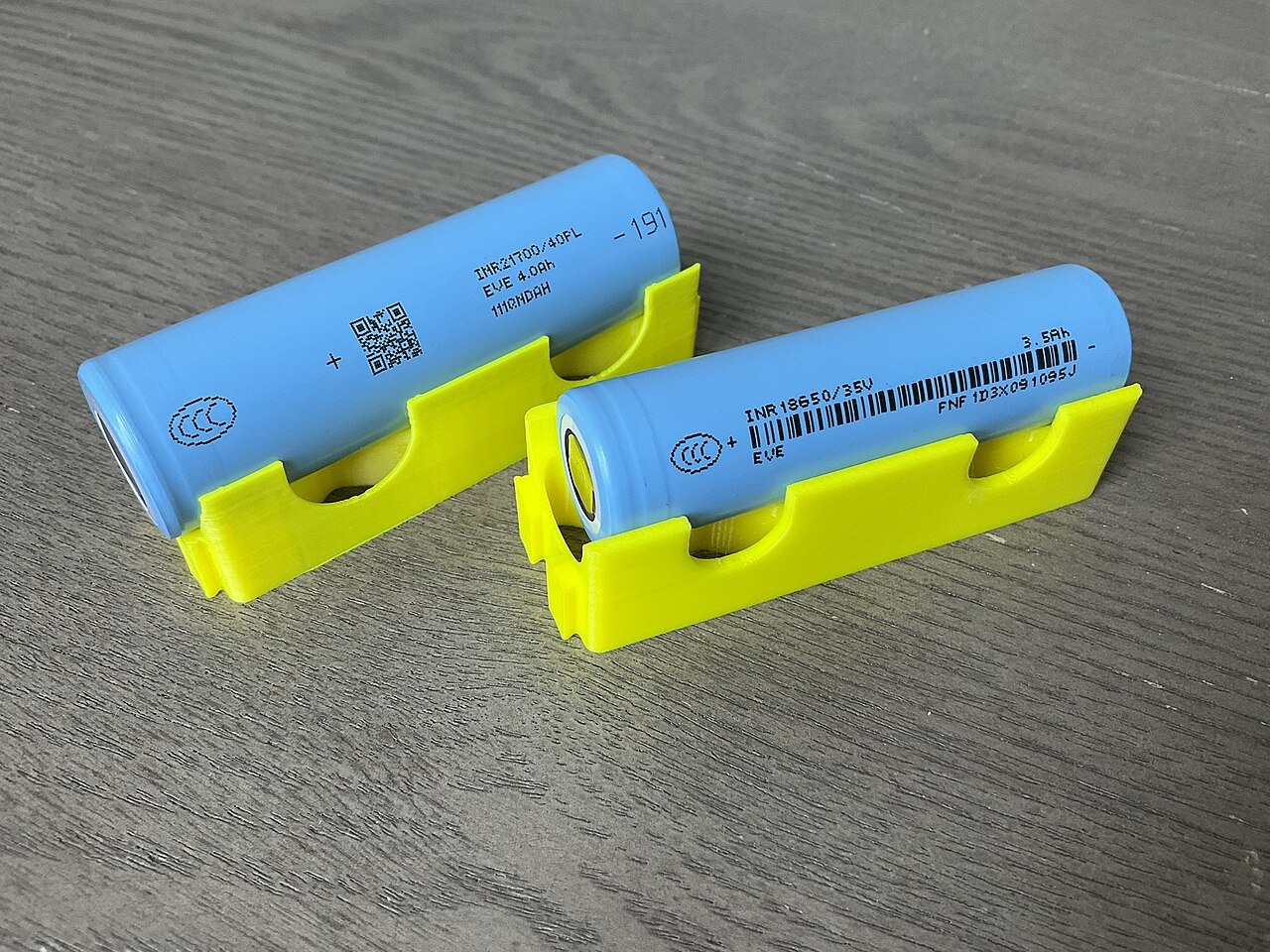

Every old phone battery and dead EV pack has a second life hidden inside it. It's a dark, sooty powder called black mass, and as of this week India won't let it leave the country. The Directorate General of Foreign Trade (DGFT), which runs India's export rules, moved it from "Free" to "Prohibited" for export in Notification No. 49/2026-27, dated 10 November. The ban took effect immediately and stays "until further orders".
So what is this stuff? When used lithium-ion batteries are dismantled and shredded, and the casings, plastic and metal foils are pulled out, what's left is a fine black powder. Depending on the battery's chemistry, it holds lithium, nickel, cobalt, manganese and graphite. Those are exactly the minerals new batteries need. Refiners use chemical processes (called hydrometallurgy) to pull them back out. Think of it as a mine you can scoop out of a recycling bin.
The rule itself is fairly narrow. It covers trade code ITC (HS) 85491400: unsorted waste and scrap of primary cells, primary batteries and electric accumulators, including spent ones, that contain no lead, cadmium or mercury. The notification names lithium-ion black mass specifically. ThePrint, carrying an ANI report, points out it isn't a blanket ban on every battery or battery-related material. A transitional clause in the Foreign Trade Policy, 2023 (paragraph 1.05) applies, which FPJ says covers eligible export commitments already in place.
Why now? The notification doesn't give a reason, but a government statement released through PIB does. According to that statement, carried by DD India, India's battery recycling capacity has grown but sits underused because there isn't enough feedstock, and some domestic recyclers have even had to import black mass. The government says it expects the ban to fill those plants, attract investment and jobs, and recover more lithium, cobalt and nickel at home, cutting import dependence and foreign-exchange outgo.
It slots into a bigger plan. Under the National Critical Mineral Mission, the Union Cabinet approved a Rs 1,500 crore incentive scheme in September 2025 to build capacity for recovering critical minerals from old batteries and e-waste. Open magazine notes that the scheme rewards plants that actually extract the minerals; just shredding batteries into black mass doesn't qualify. Separately, India's Battery Waste Management Rules, 2022 already make battery makers, importers and automakers responsible for getting dead batteries to authorised recyclers, with material-recovery targets that, according to Down To Earth, rise to 90% from 2026-27.
Who feels this? Mostly the companies that shred batteries and hoped to sell black mass to overseas buyers. That door is now shut. Domestic refiners, on the other hand, could get more raw material. The industry wasn't of one mind on this. When EVreporter spoke to recyclers a year ago, refiners such as Attero and Rubamin wanted exports stopped, while others, including Namo E-waste Management and Lohum, pushed for phased, consultative restrictions. Namo's Akshay Jain said shredding-and-separation firms make up over 80% of India's lithium-ion recycling industry.
There's also an enforcement question. The think tank Global Trade Research Initiative (GTRI) told Deccan Chronicle that "effective enforcement will depend on Customs checking how the material was produced" and how it was declared, "since a different name or tariff code can conceal the same waste". The paper adds that exporters could try to pass it off as cobalt powder or a nickel intermediate. That isn't hypothetical: EVreporter reported last year on allegations that recyclers were relabelling black mass to get it out of the country.
What comes next isn't clear yet. The government hasn't said how long "until further orders" might last. It also hasn't put a number on how much black mass was leaving the country. Deccan Chronicle reports that India recorded zero exports under this category in FY2026, and such shipments already needed prior permission under hazardous-waste rules. So the ban may matter most as a door slammed shut, plus a nudge to Customs. Whether keeping the powder at home actually ends up in Indian-made batteries will depend on how fast local refining capacity grows.
Get the day's best stories on WhatsApp. Free, a few a day, no spam.
Follow on WhatsAppSource ledger · स्रोत खाता
Each fact in this story, where it came from, and how it was checked.
| Fact | Source | Check |
|---|---|---|
| DGFT moved ITC (HS) 85491400, incl. Li-ion black mass, from Free to Prohibited for export, with immediate effect, until further orders (Notification 49/2026-27, 10 Nov 2026) | DGFT notification text, reproduced by World Trade Scanner; also reported by ThePrint (ANI), Swarajya, FPJ | Confirmed, official source |
| Government says recycling capacity is underused for lack of feedstock and some recyclers import black mass; ban expected to raise recovery of lithium, cobalt, nickel | Government statement via PIB, carried by DD India | Confirmed, official source |
| Rs 1,500 crore critical-mineral recycling scheme approved in Sept 2025 under the National Critical Mineral Mission | India Blooms News Service; also DD India (PIB) | Confirmed, independent outlets |
| GTRI says enforcement depends on Customs checks, as a different name or tariff code can conceal the same waste | GTRI, quoted by Deccan Chronicle | Single source |
| Transitional arrangements under Para 1.05 of FTP 2023 apply; these govern eligible export commitments | DGFT notification (via World Trade Scanner); FPJ | Confirmed, official source |
| Not a blanket ban on every battery or battery-related material; applies to the unsorted waste category in the notification | ThePrint (ANI) | Single source |
| Rs 1,500 crore scheme rewards actual mineral extraction; shredding into black mass alone doesn't qualify; black mass contents | Open magazine | Single source |
| Battery Waste Management Rules 2022: producer EPR; recovery targets 70% (2024-25), 80% (2026), 90% from 2026-27 | Down To Earth | Single source |
| Recyclers split on export curbs (Attero, Rubamin for; Namo, Lohum for phased approach); R2 firms over 80% of industry (Akshay Jain) | EVreporter, 8 Nov 2025 | Single source |
| Allegations recyclers relabelled black mass to export it | EVreporter, 31 Oct 2025 (unnamed industry insider) | Single source |
| India recorded zero exports of these items in FY2026; hazardous-waste rules already require prior permission; misdeclaration as cobalt powder/nickel intermediate possible | Deccan Chronicle (own reporting) | Single source |
Corrections to this story: none.